
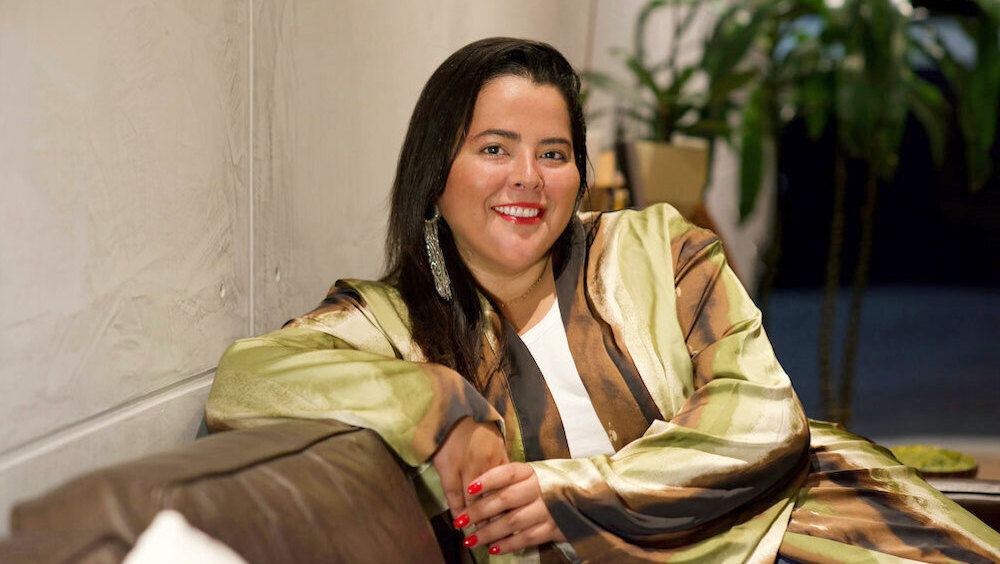
By Dani Díaz*
Using Bruno Rosato’s recent Q&A in VideoAge‘s Water Cooler as a starting point, I’d like to explore how casting differs between Hollywood and Latin America. Not so much in terms of creative intuition, but in the structure of each industry, the way talent is accessed, the methods used to discover new faces, and how casting directors collaborate with producers and directors within each context.
From my experience working between Spain and Latin America, I see a meaningful contrast between the two systems. At a time when co-productions with Latin America continue to grow, and casts are responding to a growing demand for diversity and authenticity, it is particularly interesting to see how these shifts are also reshaping casting processes.
In Latin America, street casting (i.e., searching for talent in everyday environments, outside traditional casting channels) has increasingly become part of traditional casting processes — not as a replacement for conventional casting, but as a complementary tool for discovering new faces, reaching underrepresented communities, and finding more authentic profiles.
In Latin America, flexibility, context, and proximity to talent often requires a more adaptable and hands-on approach, depending on the country, the scale of the production, and the structure of the local industry. Within this landscape, street casting has become a complementary and growing search tool that brings greater authenticity to projects, particularly in advertising, fashion, music videos, and productions seeking non-traditional talent.
That does not mean, however, that street casting is the right approach for every project. In many cases, traditional channels remain essential, whether because of the demands of the character, the complexity of the performance, or the structure of the production itself. A central part of the casting director’s work lies precisely in knowing which tools to use and what kind of search each story requires.
Another factor reshaping these processes is the rise of international co-productions. There is increasing demand for stories that better reflect the complexity of contemporary societies, and casting plays a central role in that shift. Casting directors do more than select performers; they also help shape how identities, communities, and cultural realities are represented on screen.
In both Hollywood and Latin America, the work of the casting director involves balancing the director’s vision, the needs of the script, production demands, and authenticity in representation — a craft that combines creative sensitivity, human judgment, and a precise understanding of what each project needs.
Beyond the differences between both systems, the core of the profession remains remarkably similar. Casting directors are the bridge between the written story and the people who will ultimately give it body, voice, and presence. What usually changes is the path taken to arrive at that final choice. In Hollywood, the process tends to rely more on formalized channels and established structures; in Latin America, by contrast, it is often more open, more flexible, and more closely tied to the social and cultural realities from which stories emerge.
Ultimately, both systems offer something valuable. Hollywood demonstrates the efficiency and scale that a highly structured industry can achieve. Latin America, by contrast, offers a creative flexibility deeply connected to place, to the street, and to the people who inhabit these stories.
*Dani Díaz (pictured above) is the founder of Dani Díaz Casting, an international casting director firm based in Madrid, Spain and Lima, Peru.


Leave A Comment