
By Jacques Barreau*
AI is able to create music, meaning some suites of chords with a melody on top of it, and some musicians will say, “So what?” But where is the fun in listening to a machine creating music? It will probably sound good, as AI will apply the musical theory rules by the book, but as my teacher in a contemporary composition class told us: “If everybody had followed the rules, we would still be doing Gregorian chants by now.”
AI will apply the language rules very well, no doubt about that. But will it be able to bring some surprises or unconventional phrases like Mozart, Debussy, or Charlie Parker did in their time? They transgressed the established harmony rules and their music opened the door to new ways of doing things. When Stravinsky premiered his Rite of Spring in 1913 in Paris, this music based on polyrhythmic elements playing together in the orchestra was so innovative that the public started a riot. Now, it’s considered a classic in contemporary music. These changes didn’t happen regularly and were often due to “accidents” that led to some unique creations.
Will AI be able to create something outside of its own rules, realizing that it could in fact lead to something new? Stravinsky and Charlie Parker were heavily criticized when they created new styles of music — polyrhythmic sequences for the former and revolutionary bebop harmony for the latter. Despite all of the bad reviews, they continued and inspired countless musicians. Will AI be capable of doing the same thing?
For people who listen to music, AI will probably create some acceptable music. But for musicians, AI will not be able to replace the pleasure of putting their hands on a keyboard, tapping on drums, or holding a guitar. They like the physicality of playing an instrument.
Seeing people playing and interacting with the public is not the same thing as listening to the same music at home. Of course, nowadays, pop concerts are drawing in huge crowds who come to see something that is much more than music. It’s a combination of loud sound, dance, and staging in scenes that are more and more sophisticated. It means that the music is not the main element of the show anymore. Young crowds want to interact with the singers, want to know about their lives, read their interviews in magazines, all to identify with their idols. Will AI be able to replace that?
Could AI create hit songs based on the memory of all songs created in the history of humanity? Maybe, but it will be something recreated from its huge database and could at the same time, destroy this element of surprise and the uniqueness of these songs.
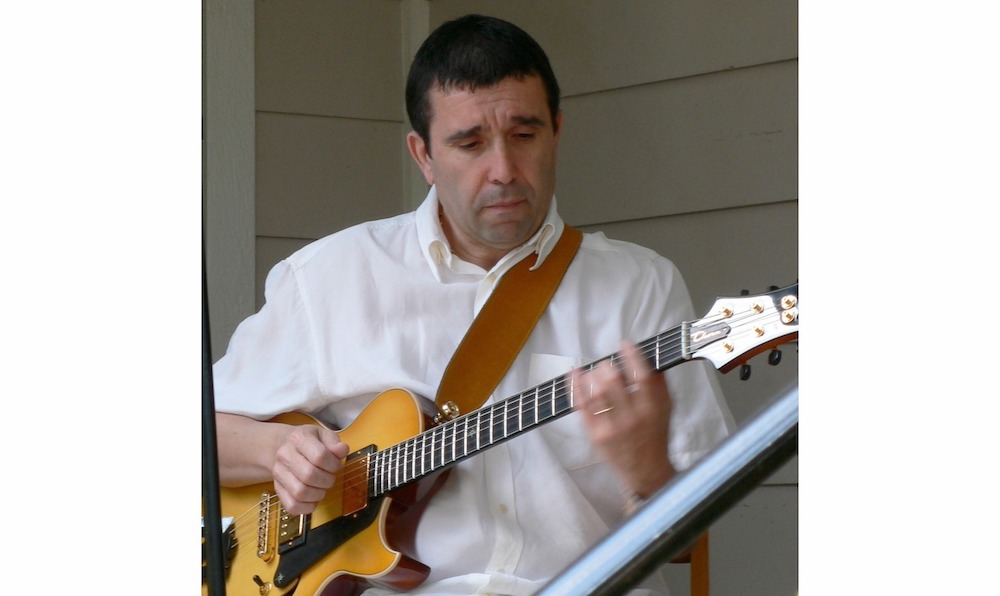
When I take my guitar and play jazz tunes, I’m just happy to play and have physical contact with my instrument. I’ll improvise some phrases as that will be what I have in my head at that exact moment, depending on my mood, the style of the musician I’m playing with, or the reactions of the audience. All gigs are unique and different. This is a game AI will not be able to play for us and I’m fine with that!
*Jacques Barreau is vice president, Media and Interactive Entertainment, TransPerfect.


Leave A Comment